Logical Path Puzzle stands out for its clean design and thoughtful progression. Each level feels like a mini brain teaser that respects your time. The lack of timers or scores removes anxiety, letting you focus entirely on the logic. The dungeon theme is understated but pleasant, and the music adds a nice touch. It is a great choice for anyone wanting a relaxing mental workout.
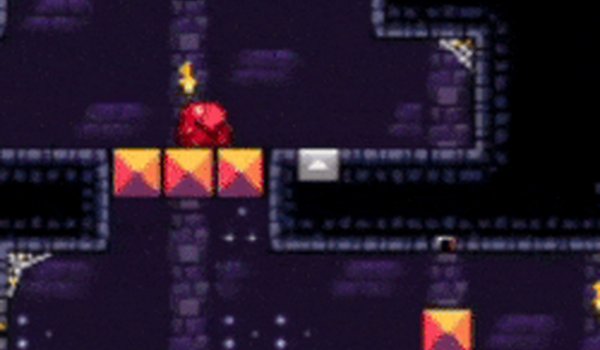
At its heart, Logical Path Puzzle is about understanding how each click transforms the environment. Blocks shift between solid and hollow forms, while spikes retract or extend based on player interaction. The goal is straightforward: create an unbroken path from the entry point to the exit. This simple premise leads to increasingly complex arrangements that require careful observation and planning.
Each stage introduces a new configuration of obstacles, encouraging players to think ahead. Early puzzles teach basic interactions, while later ones combine multiple elements in unexpected ways. The difficulty curve feels natural, never rushing the player. Since there are no timers or scoring systems, the only pressure comes from the puzzle itself. This design makes it easy to pause and return later.
The dungeon theme adds a subtle layer of immersion without overwhelming the gameplay. Clean lines and muted colors keep the focus on the puzzle grid. Background music provides a gentle rhythm that complements the thoughtful pace. Sound effects for clicks and state changes are minimal but satisfying, reinforcing each action without distraction.
Logical Path Puzzle is built for short bursts of play. Each level can be completed in a few minutes, making it ideal for breaks or commuting. The mouse-only interface works smoothly on laptops, desktops, and even some tablets with external mice. There is no need to remember complex controls or storylines between sessions. Players can jump in, solve a puzzle, and step away without losing progress.
Success comes from patience and pattern recognition. Before clicking, scan the entire grid to identify which obstacles are essential to the path. Try different sequences of clicks, as the order often matters. If stuck, step back and consider the grid from a new angle. Over time, you will develop a mental library of common configurations, making each new puzzle feel like a familiar friend.






Player Comments
Sign in to comment
You must be logged in before posting a review or rating.
No account? Create one
No comments yet. Be the first to comment!