Color Cube: Orientation Puzzle takes a familiar concept and adds a thoughtful layer that rewards careful planning. The two-phase solving process is intuitive yet demanding, and the distraction-free interface keeps attention on the task. Families will appreciate the gentle learning curve, while experienced solvers will find the orientation requirement a fresh test of spatial logic. It is a well-crafted puzzle game that delivers genuine mental exercise without unnecessary complexity.
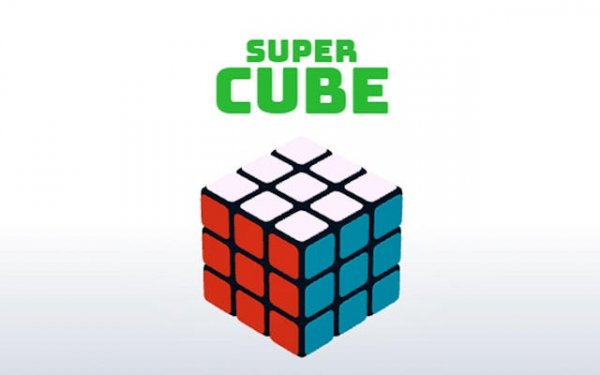
Color Cube: Orientation Puzzle presents a familiar 3x3 cube but with an extra requirement. After matching each face to one solid color, players must also rotate the center pieces on every side to their correct orientation. This two-step process demands careful observation and planning, turning a standard color-matching exercise into a more intricate logic problem.
The game unfolds in two clear stages. First, solve the cube as usual by aligning all stickers so each face shows a single hue. Then, inspect the center of each side for markings or patterns that indicate the proper direction. Using simple layer rotations, players correct any misaligned centers. This phased approach helps break down the task into manageable steps.
The interface keeps distractions to a minimum, with a clean layout that focuses attention on the cube itself. Bright, distinct colors make it easy to differentiate faces, while subtle indicators on center pieces guide orientation adjustments. This design supports both quick play sessions and longer, more deliberate solving attempts.
Regular play encourages spatial reasoning and pattern recognition. The added orientation requirement pushes players to think beyond basic color matching, strengthening memory and logical sequencing. Families can enjoy the game together, as it offers a gentle learning curve for newcomers while still challenging those with cube experience.
New players should first become comfortable with standard color alignment before focusing on center orientation. Observing each face carefully helps spot misaligned centers early. Breaking the solve into smaller phases reduces the chance of errors. Experimenting with different rotation sequences can reveal efficient methods that work best for individual play styles.




Player Comments
Sign in to comment
You must be logged in before posting a review or rating.
No account? Create one
No comments yet. Be the first to comment!